

Remote jobs have become a normal part of the employment landscape, and that popularity gives dishonest operators a ready-made disguise. A work-from-home scam typically promises easy income, flexible hours and no commute, then uses the promise to extract money, banking details or identity information from the person applying. Knowing the red flags of a work-from-home scam does not require technical expertise, only a habit of slowing down and asking a few direct questions before sharing anything of value. This article walks through six warning signs that job seekers are commonly advised to watch for, explains why each one matters, and describes sensible ways to respond. It does not rely on statistics or case figures, because its purpose is practical: to help readers recognize patterns in how fake offers are structured.
Red Flag One: Requests for Upfront Payment from Job Applicants

The most widely recognized warning sign is a request for money before work begins. The fee may be described as a training cost, a starter kit, software, a background check, a certification or a deposit on equipment. The framing varies, but the structure is the same: the applicant pays first, and the promised income comes later, if at all. In a conventional hiring process, the employer bears the cost of recruiting and onboarding. When a so-called employer reverses that arrangement, it is reasonable to treat the request with suspicion.
A related version involves a payment sent to the applicant. Some schemes ask a new hire to deposit a check, keep a portion and forward the remainder elsewhere, or to buy equipment from a specific vendor and be reimbursed later. Because a check can be returned after a bank has made the funds appear available, the applicant may end up responsible for the full amount. Any arrangement in which a new employee is asked to move money on behalf of a company they have never met deserves careful scrutiny, ideally with a bank representative consulted before acting.
Red Flag Two: Pay That Seems Too Good to Be True for Remote Jobs

Fake listings often advertise income that is out of proportion to the work described. A position that requires no experience, no interview and only a few hours a week, yet promises a generous salary, is out of step with how most employers set compensation. Scammers know that unrealistic pay attracts attention, and they rely on the hope it creates to keep applicants from asking sensible questions.
A practical test is comparison. Job seekers can look at what comparable remote roles are advertised for on established job boards and on the websites of known employers. If an offer sits far above those ranges without any explanation about skills, responsibilities or qualifications, the gap itself is informative. Pay claims built around vague phrases such as unlimited earning potential, rather than a stated wage or salary, can also be a sign that no real position sits behind the advertisement.
Red Flag Three: Vague Job Descriptions and Unverifiable Employers
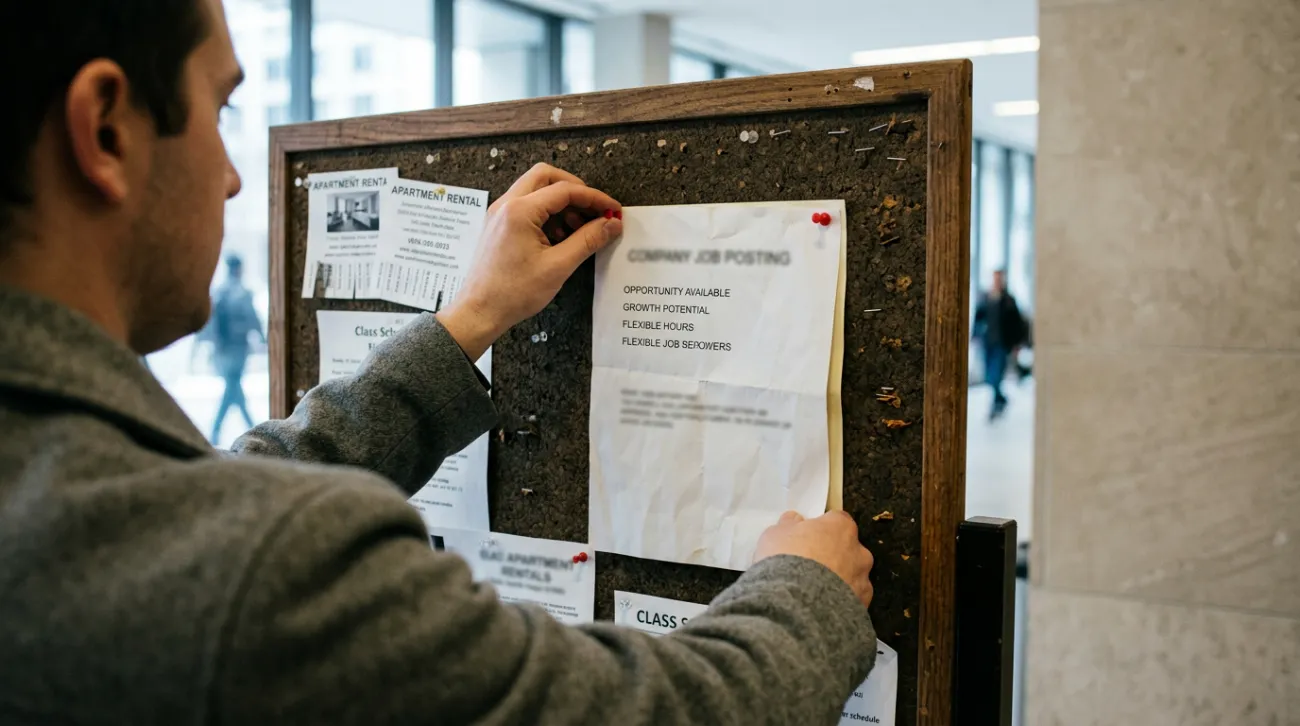
A genuine job posting generally explains what the employee will actually do, what skills are needed, who they will report to and which organization is hiring. Scam listings tend to stay general. They may use titles like online assistant, data processor or package coordinator without describing daily tasks, or they may avoid naming the company altogether. When duties are unclear, it becomes easier for a fraudulent operator to redefine the role later, or to steer the conversation toward fees and personal information.
Verifying the employer is one of the most useful steps available. Applicants can search for the company independently, look for an official website with real contact details, and check whether the posting appears on the company’s own careers page rather than only on a third-party platform. Communication sent from free, generic email accounts, rather than from an address tied to the company’s own domain, is another detail worth noting. None of these points proves fraud on its own, but several together paint a troubling picture.
Red Flag Four: Hiring Without a Real Interview Process

Ordinary recruitment involves some form of evaluation: a conversation, a video call, a skills assessment or a review of references. A scheme, by contrast, may offer the job within hours of an application, or conduct the entire exchange through text messages or a chat application. The speed can feel flattering, particularly to someone who has been searching for work for a while, but a hiring decision made without any meaningful vetting suggests that the employer is not really interested in the applicant’s qualifications.
Applicants should be cautious when a recruiter insists on moving the conversation off the original platform, refuses a live call or declines to answer basic questions about the team and the role. A legitimate employer can usually explain who it is, why it needs the position filled and what the next steps are. If the answers remain evasive, stepping back costs the applicant very little.
Red Flag Five: Early Requests for Sensitive Personal and Banking Information

Employers do eventually need certain details, such as tax and identification information, but those requests normally come after a formal offer and through established onboarding channels. A scam may ask for a Social Security number, a copy of a driver’s license, or bank login details at the application stage, sometimes under the pretext of setting up direct deposit or running a background check. Once this information is in the wrong hands, it can be used for identity theft or unauthorized account access.
A cautious approach is to hold back sensitive data until the employer has been independently verified and the offer is documented in writing. Applicants should be especially wary of any request for online banking credentials, which no genuine payroll process requires. If personal information has already been shared with a suspicious party, it may be worth contacting the relevant bank, reviewing account activity and consulting the consumer protection resources available in the applicant’s own country about next steps.